
How to Choose a Solar Battery Storage System for Your Home
Learn how to compare solar battery storage systems by capacity, solar panel compatibility, household electricity use, installation needs, and total cost before making a purchase.
How to Choose a Solar Battery Storage System for Your Home
A solar battery storage system allows electricity generated by solar panels to be stored for later use, depending on the system design and how it is installed. Choosing a suitable system requires more than comparing battery prices. You need to consider how much electricity your household uses, when you use it, and how the storage system will work with your existing or planned solar equipment.
1. Estimate Your Household's Electricity Needs
Start by reviewing your electricity bills and identifying when your household consumes the most power. Some homes use most of their electricity during daylight hours, while others need more power in the evening.
Your usage pattern helps determine whether additional battery storage would be useful. Consider which appliances you want to run from stored electricity and how long you may need to operate them.
2. Understand Battery Capacity
Battery capacity indicates how much energy a battery can store, usually expressed in kilowatt-hours (kWh). A larger capacity can store more energy, but it may also increase the system's purchase cost.
When comparing products, look beyond the headline capacity. Check the usable capacity, supported charging and discharging power, expansion options, and any limitations described in the product documentation.
3. Check Compatibility With Your Solar Panels
Not every battery system works with every solar installation. Compatibility can depend on the inverter, electrical configuration, battery management system, and supported communication protocols.
Before buying, confirm whether the storage system is designed for a new solar installation or can be added to an existing one. If you already have an inverter or solar panels, provide their exact model numbers to the supplier and ask for written confirmation of compatibility.
4. Compare Integrated and Modular Systems
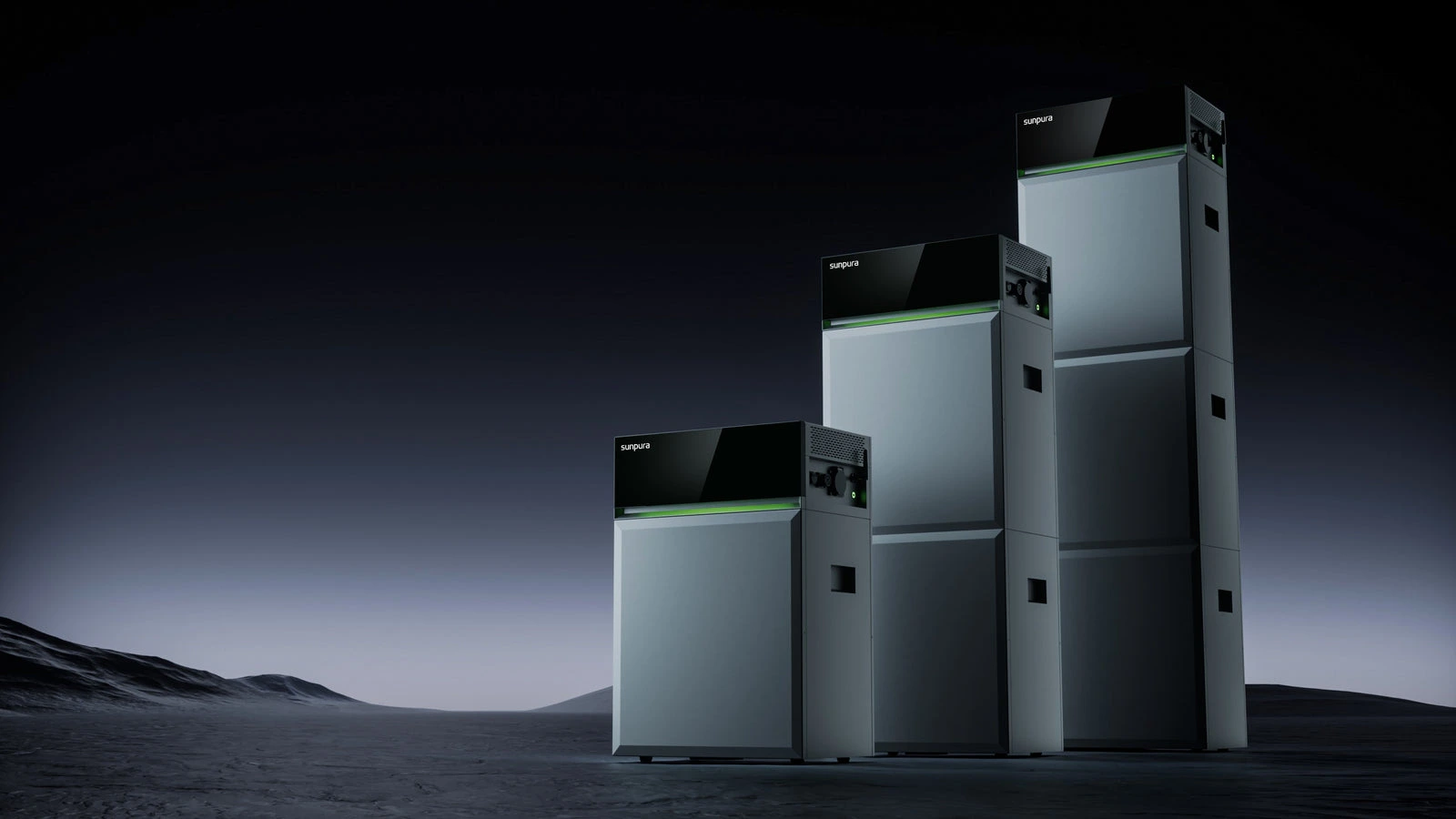
An integrated system combines several components into a coordinated setup, while a modular system may allow storage capacity to be expanded by adding compatible batteries.
An integrated option may simplify product selection, whereas a modular setup may offer more flexibility as energy needs change. However, expansion is only practical when the manufacturer supports the proposed configuration and the additional components are compatible.
5. Consider Installation and Available Space
Before choosing a system, establish where the equipment will be installed. Check the manufacturer's requirements for indoor or outdoor placement, temperature limits, ventilation, weather protection, mounting, and electrical connections.
Battery systems can be heavy and may require professional installation. Do not assume that a product advertised for a home or balcony setup can be installed in every location without additional assessment.
6. Compare the Total Cost
The listed product price is only one part of the overall cost. Depending on the installation, additional expenses may include solar panels, an inverter, mounting equipment, electrical work, delivery, and professional installation.
Compare systems using the same assumptions. Make sure each quote includes the components and services you actually need, and check the warranty terms before deciding.
7. Review Warranty and Technical Support
Read the product warranty carefully. Look for the covered period, capacity or performance conditions, exclusions, and the procedure for requesting repairs or replacements.
Also check who handles technical support: the retailer, the manufacturer, or an installation provider. Clear support arrangements can make it easier to resolve compatibility questions and problems after installation.
8. Avoid Common Buying Mistakes
Before ordering, avoid these common errors:
Choosing battery capacity without checking your actual energy usage.
Assuming that any battery will work with an existing inverter.
Comparing products without checking what is included.
Ignoring installation, delivery, and accessory costs.
Overlooking the difference between rated capacity and usable capacity.
Assuming that a battery automatically provides backup power during a grid outage.
Buying without checking local electrical requirements and installation guidance.
A little research before purchase can help you avoid selecting a system that does not meet your household's requirements.
9. Compare Product Configurations Carefully
When reviewing retailers, compare the product specifications and included components instead of relying only on product names. For example, Apollo Solar Energy lists S2400 and S4800 storage options with different capacities and solar set configurations. Buyers can compare these listings while checking the detailed specifications and compatibility requirements for their own setup.
If you are considering a purchase, you can also review the current Apollo Solar Energy Discount Code page for advertised promotions. Treat discounts as one part of the buying decision, alongside compatibility, warranty, installation, and total cost.
Conclusion
Choosing a solar battery storage system starts with understanding your electricity usage and confirming which equipment will work with your installation. Compare usable capacity, power output, expansion options, installation requirements, warranty coverage, and the full system cost before making a decision.
A system that matches your actual needs is generally a better choice than selecting equipment based only on its advertised capacity or discount.