
How to Choose Diamond Jewelry: A Practical Buying Guide
Choosing diamond jewelry requires more than finding an attractive design. Learn how to compare diamond specifications, metals, settings, sizing, and prices so you can make a more informed purchase for yourself or someone special.
How to Choose Diamond Jewelry: A Practical Buying Guide
Diamond jewelry can mark a special occasion, become a thoughtful gift, or complement everyday outfits. However, choosing the right piece involves more than comparing photographs or prices. Understanding the materials, diamond specifications, design, and care requirements can help you select jewelry that fits your preferences and budget.
Decide What Type of Jewelry You Need
Begin by identifying the purpose of your purchase. Different jewelry types suit different occasions and preferences.
Earrings: Studs and small hoops can suit everyday wear, while drop and cluster designs provide different styling options.
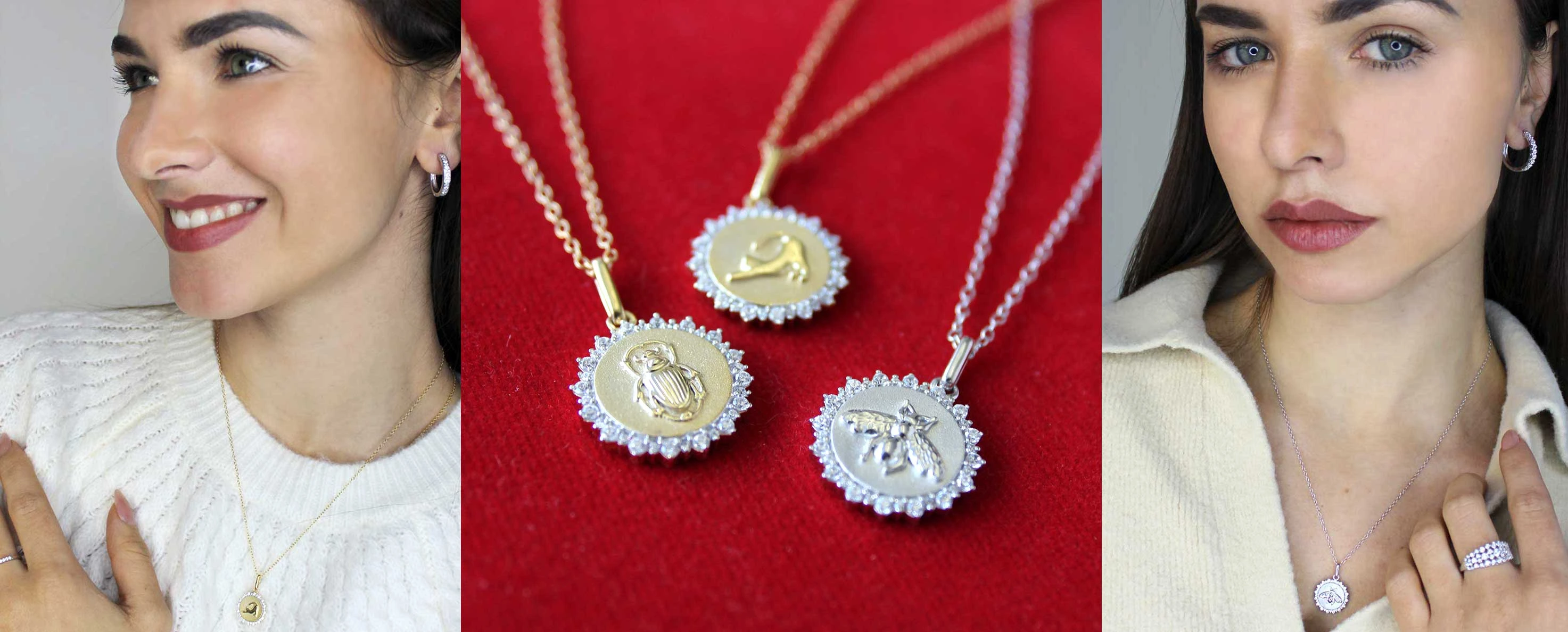
Necklaces and pendants: Consider the pendant shape, chain length, and whether the design suits the recipient's usual style.
Rings: Check the available size, setting, metal, and overall design before purchasing.
Bracelets: Compare the style, fit, closure, and materials to determine whether the piece suits frequent wear or occasional use.
Thinking about the intended use makes it easier to narrow your options before comparing individual products.
Understand the Four Cs of Diamonds
The four Cs—cut, color, clarity, and carat weight—are widely used to describe diamond characteristics.
Cut
Cut describes how a diamond's proportions and finish affect the way it interacts with light. A well-executed cut can influence its brightness and visual appeal.
Color
Diamond color grading describes the presence of color in a stone. The importance of a particular grade can depend on the stone, setting, and buyer's preferences.
Clarity
Clarity concerns internal characteristics and surface features. Compare the stated grade and available product information rather than assuming that all diamonds with the same appearance have identical characteristics.
Carat Weight
Carat measures a diamond's weight, not its physical dimensions alone. Two stones with the same carat weight may look different because of their shape, proportions, or setting.
Not every jewelry listing provides the same level of detail. If a specification matters to your purchase, confirm it with the seller before ordering.
Compare Natural and Lab-Grown Diamonds
Natural and lab-grown diamonds have different origins. Natural diamonds form through geological processes, while lab-grown diamonds are produced using technological processes.
When comparing products, check how the diamond type is identified and review the listed specifications. Consider your budget, personal preferences, and any documentation provided with the item.
Do not assume that two pieces are equivalent simply because their photographs or carat weights appear similar.
Choose the Right Metal
The metal influences a jewelry item's appearance, composition, and care requirements.
Sterling Silver
Sterling silver typically contains 92.5% silver, with other metals making up the remaining portion. Check whether the listing specifies solid sterling silver, plating, or another finish.
Gold
Gold jewelry is available in different karats and colors. Higher karat numbers generally indicate a greater proportion of gold, while lower karat options contain more other metals.
Review the exact metal description and purity marking on each product page. Gold color alone does not establish its karat or composition.
Examine the Setting and Construction
The setting holds the stone in place and contributes to the jewelry's appearance. Different settings can change how prominent a diamond looks and how much of it is exposed.
Before choosing a piece, look for details about the setting, fastening, chain, or bracelet closure. If you intend to wear the jewelry regularly, consider comfort, ease of cleaning, and the possibility of snagging on clothing.
For rings, confirm sizing carefully. For earrings, check whether the listing describes a pair or a single item.
Compare Prices Fairly
Jewelry prices can vary according to the metal, stone specifications, design, construction, and included documentation.
To make a useful comparison:
Choose products with similar materials and specifications.
Compare the listed diamond weight and other available grading information.
Check whether the chain, setting, or additional pieces are included.
Review the total checkout price, including shipping and applicable taxes.
Read the return conditions before committing to the purchase.
A lower price is not necessarily better value if the product differs significantly in materials or specifications.
Read the Product Description Carefully
Product photographs can help you understand the overall design, but they may not show every detail accurately. Read the written description and check the available dimensions, metal type, stone details, sizing, and included accessories.
If you are purchasing jewelry as a gift, confirm that the item suits the recipient and can arrive within your required timeframe. When something important is unclear, ask the seller for clarification before placing the order.
Understand Shipping and Returns Before Ordering
Shipping times, delivery charges, and return eligibility can affect the total cost and convenience of an online jewelry purchase.
Check the seller's current policy for:
Estimated delivery times and shipping fees.
International duties or taxes, if applicable.
Return deadlines and condition requirements.
Exclusions for sale items or special orders.
Refund processing and non-refundable charges.
Keep the order confirmation and any product documentation until you are satisfied with your purchase.
Avoid Common Diamond Jewelry Buying Mistakes
Some common mistakes are easy to prevent:
Choosing a diamond based only on carat weight.
Assuming that every gold-colored item is solid gold.
Ignoring ring sizes or chain lengths.
Comparing prices without checking materials and specifications.
Overlooking return exclusions or international charges.
Assuming a discount code applies to every item.
A careful review of these details helps you compare jewelry on more than appearance alone.
Care for Your Jewelry Properly
Appropriate care depends on the metal, stones, and setting. As a general precaution, remove jewelry before swimming, bathing, exercising, or using harsh cleaning products. Store pieces separately in a dry place to reduce scratches and tangling.
Use a soft cloth for routine cleaning when suitable for the item's materials. Follow any specific care instructions provided by the seller, particularly for plated metals and jewelry containing delicate stones.
Apply These Tips When Shopping Online
Fifth and Fine is one example of an online jewelry retailer whose catalog can be explored by product category and listed attributes. When comparing its rings, earrings, pendants, or bracelets with alternatives, review each product's exact materials, diamond specifications, size, and price.
Before checkout, review the applicable delivery and return terms. You can also check the Fifth and Fine Discount Code page for available promotional offers. A Fifth and Fine Coupon Code or Fifth and Fine Promo Code should only be considered applicable when its conditions are met and the discount is accepted at checkout.
Conclusion
Choosing diamond jewelry becomes easier when you understand the stone's characteristics, compare materials, and consider the design's intended use. Product descriptions, sizing, total cost, and return conditions are equally important when shopping online.
Take time to compare similar items and clarify any unanswered questions before ordering. This approach can help you choose a piece that matches your style, expectations, and budget.
Author: CouponDone Editorial Team