
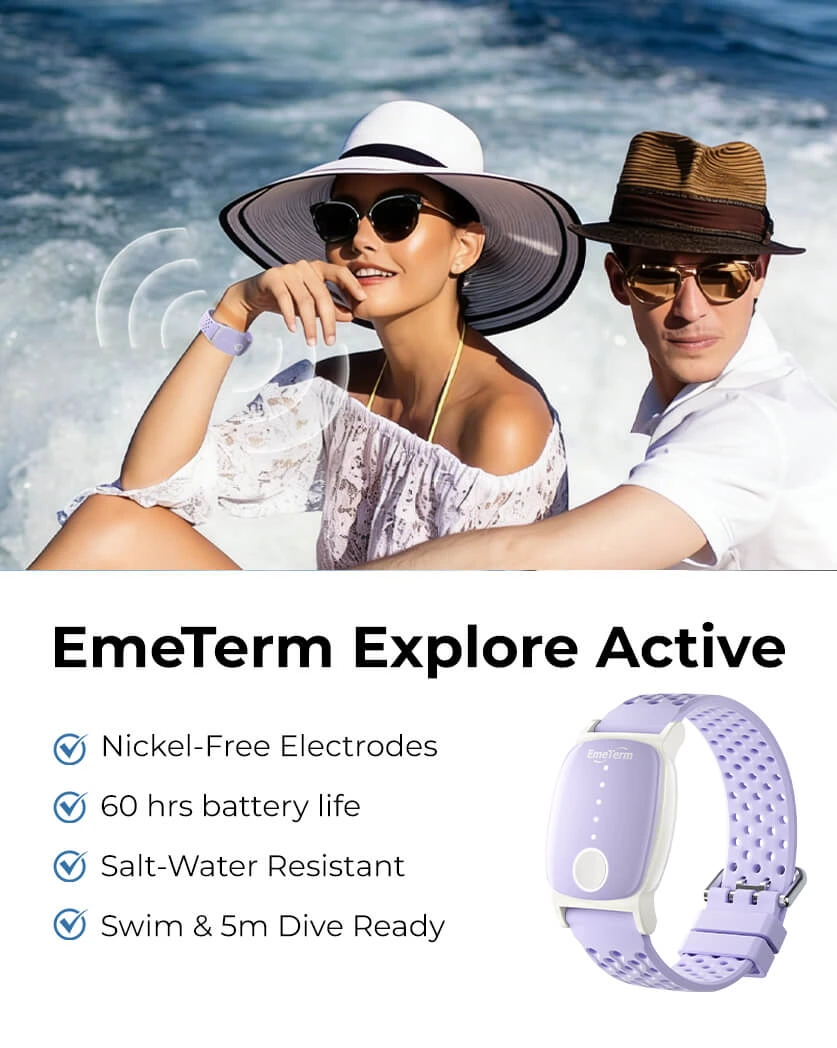
Read this EmeTerm Review covering wearable products, features, pricing, shipping, refunds, payment options and customer support.
Comparing anti-nausea wristbands? Learn what to check before buying, including device type, fit, intended use, instructions, safety information and return terms.
How to Choose an Anti-Nausea Wristband for Travel
Travel sickness can make journeys by car, plane or boat uncomfortable. People researching ways to manage motion-related nausea may encounter several options, including medication, behavioural strategies and wearable devices. An anti-nausea wristband is one product category worth understanding before deciding whether it suits your needs.
The right choice depends on how the device works, its intended use, comfort, instructions and your individual health circumstances. No wearable product should be assumed to work for everyone.
Understand the Different Types of Wristbands
Anti-nausea wristbands do not all use the same approach. Some traditional bands apply pressure to a point on the wrist, while electronic models use stimulation technology. Read the product description to understand which type you are considering.
Electronic wristbands may require charging, correct electrode placement or a specific fit. Check the instructions for the exact model rather than assuming the setup is the same across brands.
Check the Intended Use
Before buying, identify the situation you want help with. A device marketed for motion sickness may be designed with travel in mind, while some product pages discuss other forms of nausea. Marketing descriptions alone do not establish that a product is appropriate for every cause of nausea.
If symptoms are related to pregnancy, medical treatment or an ongoing health condition, consult a qualified healthcare professional about suitable options. Severe or persistent vomiting can require medical assessment.
Prioritise Fit and Comfort
A wristband needs to fit correctly for its intended function. Review the sizing instructions, strap adjustment range, materials and recommended placement.
For electronic models, proper contact with the skin may be important to the device's operation. If the manufacturer recommends measuring your wrist, do so before ordering. A device that is uncomfortable or difficult to position may be less practical for a long journey.
Review Battery and Charging Requirements
Electronic wristbands may need charging before use. Check the product information for charging arrangements, battery guidance and whether a charging cable is included.
Consider how you plan to travel. For a long trip, it may be useful to know how to recharge the device and whether the manufacturer provides compatible replacement cables or other accessories.
Read the Instructions and Safety Information
Read the manufacturer's instructions before using an electronic wearable. Look for warnings, restrictions, recommended placement, cleaning guidance and advice about when to stop using the device.
Do not assume that a product described as drug-free is automatically suitable for every person. If you have a medical condition, use medical devices, are pregnant or are uncertain whether stimulation technology is appropriate, ask a qualified healthcare professional.
Compare the Total Cost
The purchase price is only one factor. Check whether the product needs separately sold straps, gel, charging accessories or other components. Also compare the return policy and warranty terms before deciding which option offers the best value for your situation.
A lower advertised price may not represent the lowest total cost if additional accessories are required. Conversely, a higher-priced model may include features you do not need. Focus on your requirements instead of choosing solely by price.
If you are comparing EmeTerm models, read the individual product specifications and current pricing. You can also check the EmeTerm Discount Code store page for current promotions; replace this placeholder destination with the final published CouponDone store-page URL.
Understand the Limits of Product Claims
Descriptions such as “fast relief,” “clinically tested” or “drug-free” should be read in context. Look for the evidence cited by the manufacturer and distinguish company claims from independent research.
Even when a technology has been studied, results may vary according to the study design, participant group and condition being assessed. Do not treat a stated success rate as a guarantee that you will experience the same result.
A wearable device should not replace appropriate medical care. If nausea is new, severe, persistent or accompanied by concerning symptoms, seek professional advice rather than relying only on a consumer product.
Check Shipping and Returns Before Ordering
Review delivery estimates for your location, any customs charges and the process for tracking an order. International orders may take longer than domestic shipments, and delivery estimates can be affected by customs or carrier delays.
Read the refund conditions carefully. Check the return window, product-condition requirements, responsibility for return shipping and whether the original shipping cost is refundable. Save your order confirmation and contact details in case you need help.
Avoid Common Buying Mistakes
A few checks can prevent avoidable problems:
Choosing without checking fit: Follow the manufacturer's measurement guidance.
Assuming every model has the same features: Compare the exact product specifications.
Ignoring charging needs: Check how the device is powered and what accessories are included.
Relying only on marketing claims: Review instructions and available evidence.
Overlooking return conditions: Understand the policy before purchasing.
Using a device instead of seeking care: Get medical advice for severe, persistent or unexplained symptoms.
Create a Practical Travel Plan
A wearable device is only one possible part of a travel-sickness plan. Depending on your circumstances, practical steps such as looking toward the horizon, choosing a position with less movement, taking breaks when possible and seeking professional advice about prevention may also be relevant.
Plan ahead rather than waiting until symptoms become severe. If you are travelling with a child or managing nausea during pregnancy or medical treatment, discuss suitable prevention options with a healthcare professional.
Conclusion
Choosing an anti-nausea wristband involves more than comparing prices or promotional claims. Consider the device type, intended use, comfort, fit, charging requirements, instructions, safety information and return conditions before making a decision.
Read the manufacturer's information carefully and seek medical advice when appropriate. A well-informed purchase decision should prioritise suitability and safety over the size of a discount.