
How to Choose Custom Apparel for Teams, Events, and Businesses
Choosing custom apparel involves more than picking a shirt and adding a design. Learn how to compare garment styles, materials, printing options, sizing, order quantities, and delivery requirements before ordering personalized clothing.
How to Choose Custom Apparel for Teams, Events, and Businesses
Custom apparel can help teams coordinate their appearance, businesses display their branding, and event organizers create clothing for participants. However, choosing the right garments requires careful consideration of their intended use, design, fit, and overall cost.
Whether you need personalized T-shirts for an event, polo shirts for a workplace, or jerseys for a sports team, understanding the main buying factors can help you make a suitable choice.
1. Start With the Purpose of Your Order
Before browsing clothing options, identify why you need custom apparel. The intended use will influence the garment style, material, design placement, and quantity.
Business Apparel
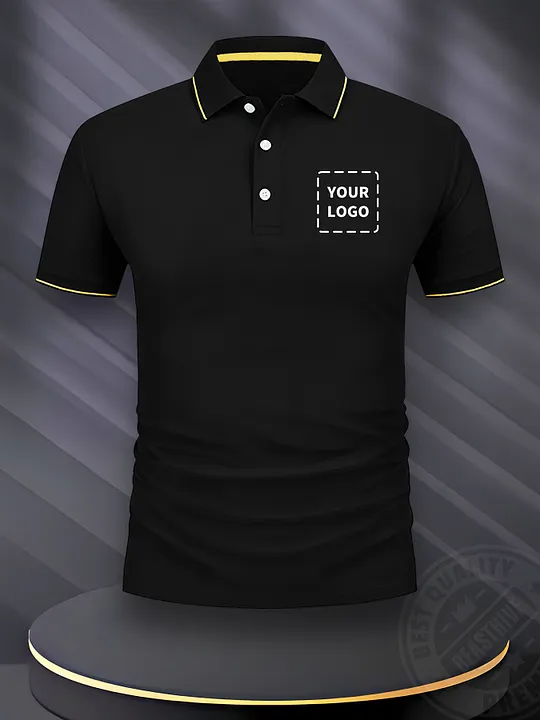
Businesses may prefer polo shirts or coordinated garments that accommodate a company logo. Consider the working environment, expected frequency of use, and whether employees need different sizes or fits.
Event Clothing
T-shirts can be a practical option to explore for conferences, reunions, promotional activities, and group events. Think about the event theme, intended audience, and whether participants will wear the clothing only once or use it afterward.
Sports Team Clothing
Sports jerseys may suit teams that need coordinated designs or personalized player details. Confirm that the garment is appropriate for the activity and that names, numbers, and logos can be included as required.
2. Choose the Right Garment Type
Different garments serve different purposes. Selecting a suitable style early can narrow your options and make price comparisons easier.
Polo shirts: Consider the collar style, fit, branding placement, and intended setting.
T-shirts: Review the neckline, sleeve length, fit, and graphic placement.
Graphic shirts: Check the design, artwork clarity, and placement.
Sports jerseys: Consider movement, player details, and the intended sporting activity.
These are general buying considerations. Actual features depend on the specific garment and supplier.
3. Compare Materials and Comfort
Material affects how a garment feels, fits, and performs during use. Do not rely solely on product photographs when deciding whether a fabric suits your needs.
Check Fabric Composition
Read the product description to identify the stated fabric composition. Different materials can feel and behave differently, so consider the environment and how frequently the garment will be worn.
Consider the Climate
Lightweight clothing may suit warm conditions, while other environments may call for heavier fabrics. For sportswear, consider the activity and whether the garment is intended for the expected level of movement.
Review Care Instructions
Check washing and care recommendations before ordering. This is particularly important for printed or embroidered designs that will need regular cleaning.
4. Select a Suitable Customization Method
The appearance of a customized garment depends on the decoration method, garment material, artwork, and production process.
Common methods to discuss with a supplier include:
Screen printing: Often considered for repeated designs across a batch of garments.
Embroidery: Can be suitable for logos and designs with a stitched finish.
Heat transfer: An option for applying prepared graphics to garments.
Digital printing: May suit certain detailed or multicolored designs.
Availability and suitability vary by supplier. Ask which methods are offered for your chosen garment and whether there are any design limitations.
5. Prepare Your Artwork Carefully
A good design can still produce disappointing results if the supplied artwork is unclear or unsuitable for the garment.
Before submitting a design:
Use a clear, sufficiently high-resolution image.
Check that all text is spelled correctly.
Confirm logo dimensions and placement.
Consider the contrast between the artwork and garment color.
Review any digital proof provided by the supplier.
Approve the final design before production begins.
For business orders, obtain the necessary approval before submitting branded artwork.
6. Get Sizing and Quantities Right
Sizing mistakes can create unnecessary costs, especially when ordering clothing for a large group.
Review the Size Chart
Use the supplier's actual size chart rather than assuming that sizes will match clothing from another brand. If measurements are available, compare them with a garment that fits well.
Collect Sizes Before Ordering
For team or event apparel, establish a clear process for collecting sizes and quantities. Double-check the totals before approving the order.
Ask About Samples
For large or important orders, ask whether a sample garment or design proof is available. Confirm any associated cost and production time before making arrangements.
7. Calculate the Full Cost
The displayed garment price is only one part of the overall budget. Customization, order quantity, delivery, and other applicable charges may affect the final total.
When comparing suppliers, check:
Price per garment at your required quantity.
Additional printing or embroidery charges.
Minimum order quantities.
Shipping costs and estimated delivery times.
Applicable taxes or import charges.
The process for correcting errors or replacing defective items.
For a fair comparison, request quotations based on the same garment type, quantity, artwork, and delivery requirements.
8. Confirm Production and Delivery Timelines
Custom apparel may require additional preparation before dispatch. If the clothing is needed for a particular event, work backward from the date it must be available.
Ask the supplier to clarify the estimated production period, artwork approval process, dispatch time, shipping estimate, and procedure for communicating delays.
Leave a reasonable buffer for unexpected problems. A published delivery estimate should not be treated as a guaranteed arrival date unless the supplier explicitly confirms that commitment.
9. Understand the Return Conditions
Review the terms that apply to custom products before making payment. Personalized garments may have different return conditions from standard, non-customized clothing.
Check whether customized products can be returned, how manufacturing defects must be reported, who pays return shipping, and how refunds or replacements are handled.
Keep your order confirmation, approved design, product specifications, and relevant correspondence. These records can help clarify what was agreed if a problem arises.
10. Compare Suppliers Before Deciding
Price matters, but it should not be the only deciding factor. Compare suppliers using the same requirements so you can evaluate the available options fairly.
A useful comparison includes garment specifications, customization methods, minimum quantities, delivery estimates, customer support, and return conditions.
For example, shoppers considering personalized clothing from Popshionx can review the relevant product listings and published policies before committing to an order. If you decide to purchase, check the CouponDone Popshionx Discount Code page for any available coupon information.
A Popshionx Coupon Code or Popshionx Promo Code should only be relied upon when its validity and terms can be established. Always check the final order total before payment.
Common Mistakes to Avoid
Choosing Based Only on Photographs
Images may not fully communicate fabric texture, fit, or print details. Review product specifications and ask questions when essential information is missing.
Approving Artwork Without Checking It
Spelling errors, incorrect colors, or misplaced logos can affect an entire batch. Inspect the final proof carefully before authorizing production.
Ignoring Delivery Schedules
An attractive price is less useful if the order cannot arrive on time. Confirm estimated production and shipping periods and allow room for delays.
Overlooking Return Restrictions
Custom garments may have limited return eligibility. Read the applicable policy before ordering, particularly when buying for a group.
Comparing Different Quotations
A supplier offering a lower price may be quoting a different garment, decoration method, or shipping arrangement. Compare equivalent specifications before deciding.
Conclusion
Choosing custom apparel becomes easier when you begin with a clear purpose, select an appropriate garment, check the material and design options, and confirm sizes and quantities before ordering.
The most useful comparison looks beyond the advertised price. Consider customization costs, production time, delivery requirements, and the supplier's policies together. Taking these steps can help you select clothing that better fits your needs and reduce avoidable ordering mistakes.