
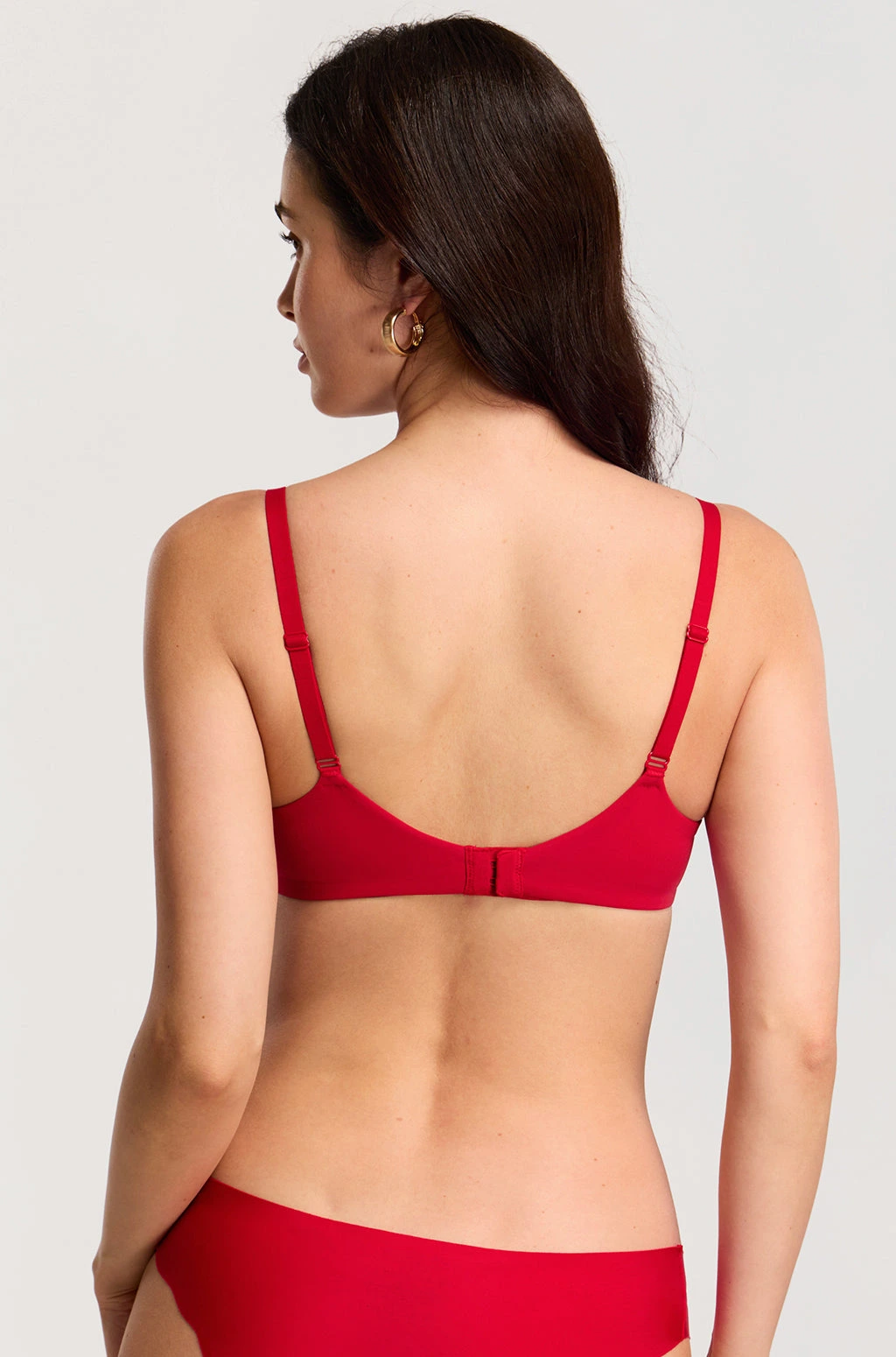
How to Choose a Comfortable, Well-Fitting Bra
Choosing the right bra involves more than selecting a size on the label. Learn how to measure yourself, compare bra styles, assess support and coverage, and choose a design that works with your everyday clothing and comfort preferences.
A bra should suit your body, your clothing, and the way you want it to feel throughout the day. However, choosing one online can be challenging because sizes, construction, coverage, and support vary between designs.
A useful starting point is to understand your measurements and the differences between common bra styles. By checking these details before buying, you can narrow your choices and make a more informed decision.
1. Measure Before Choosing a Bra Size
Your usual bra size can be a helpful starting point, but it is worth measuring again before ordering a new style. Changes in brands, construction, and fit can affect how a bra feels.
Measure your underbust
Wrap a flexible measuring tape around your rib cage directly beneath your bust. Keep the tape level and comfortably snug without pulling it so tightly that it digs into your skin.
Measure your bust
Measure around the fullest part of your bust while keeping the tape level. Follow the measurement method and size chart provided by the retailer, since sizing systems can vary.
Compare the measurements with the size chart
Use the product-specific chart rather than relying entirely on the size you normally buy. If your measurements fall between sizes or you are uncertain about the result, contact the retailer for sizing guidance.
2. Understand the Main Bra Styles
Different bra designs provide different shapes, coverage, and construction. The right option depends on your preferred fit, the clothes you wear, and the support you want.
T-shirt bras
T-shirt bras are commonly chosen for everyday outfits because many designs have smooth cups intended to create a less visible outline beneath clothing. Check the cup shape and fabric if you plan to wear one under thin or fitted tops.
Balconette bras
Balconette bras typically have a more open neckline and a cup shape that can work well with certain wide or square necklines. Strap placement and coverage differ between designs, so check the product photos and details.
Full-coverage bras
Full-coverage designs offer more cup coverage than many plunge or demi styles. They may be worth comparing if you prefer a more enclosed cup shape, but the fit still depends on the specific design and your measurements.
Wireless bras
Wireless bras do not use underwires beneath the cups. They may appeal to shoppers who prefer a different feel from wired styles, although the amount of support varies with the band, straps, fabric, and construction.
Sports bras
Sports bras are designed for physical activity. When choosing one, consider the type and intensity of exercise, the level of support you need, and whether the garment stays comfortable during movement.
Front-closure bras
Front-closure bras fasten at the front rather than the back. This changes how the bra is put on and removed, but you should still check the sizing, strap adjustment, and overall construction.
3. Check the Band, Cups, and Straps
A bra's overall fit depends on how its different parts work together. A familiar size label alone does not guarantee that the garment will feel comfortable.
The band: The band should sit level around your body and feel secure without causing painful pressure. It provides an important part of a bra's support.
The cups: Look for cups that accommodate your bust without obvious spillage, substantial gaping, or uncomfortable pressure. Different cup shapes can fit differently even when the size label is the same.
The straps: Adjust the straps so they stay in place without digging into your shoulders. If you need to tighten them excessively to make the bra feel secure, reassess the overall fit.
The centre and underwire, where present: Check whether the centre section and underwire sit comfortably. They should not create painful pressure or rub against your skin.
4. Choose Coverage for Your Clothing
Think about the necklines and outfits you wear most often. A plunge style may suit a lower neckline, while a fuller cup may be more appropriate beneath a top that provides more coverage.
For fitted shirts, you may prefer a smooth cup surface. Lace, mesh, and textured fabrics can provide a different appearance and feel, but their visibility beneath clothing depends on the garment worn over them.
If you want one bra for several outfits, consider which clothing styles you wear most frequently instead of buying solely for a particular occasion.
5. Consider Fabric and Construction
Materials influence how a bra feels against your skin and how it behaves during wear. Product descriptions may identify features such as lace, mesh, seamless construction, lining, stretch fabrics, or adjustable straps.
Look for the details that matter to you. If you prefer a lighter feel, compare unlined designs; if you want a smoother appearance beneath clothing, look at the cup surface and seams.
Do not assume that a particular fabric or construction will suit everyone. Comfort is personal, and product details are useful for comparing options before purchase.
6. Decide Between Underwire and Wireless Designs
Underwire and wireless bras use different constructions, so it helps to consider your own comfort preferences.
Underwire designs include a structured wire beneath the cups. When properly fitted, the wire should follow the natural breast crease without pressing painfully into the breast tissue or underarm.
Wireless bras rely on other elements, such as the band, fabric, cup shape, and straps, for their structure. Their support varies by model, so inspect the product details rather than assuming that all wireless designs feel or perform the same way.
Neither type is automatically right for every person. Compare the fit and construction that suit your needs.
7. Look at Size Availability and Product Details
Before adding a bra to your basket, confirm that the selected style is available in the size you need. A store may carry a broad range of styles while offering different size options for individual products.
Read the product description and review the size chart. Check whether the item is padded, unlined, wired, wireless, adjustable, or designed with a particular closure.
If a feature is important to you and the listing does not explain it clearly, ask customer support before placing the order. This is more useful than guessing from a product photograph.
8. Compare Prices Without Sacrificing Fit
Price matters, but a discount should not be the only reason to choose a bra. Compare the product details, size availability, and final price to determine whether an item meets your needs.
Check the original and current prices where both are shown. If you are shopping during a sale, confirm the return conditions before paying, because some retailers exclude discounted items from their standard return policy.
For shoppers considering Essenther EU, the Essenther EU Discount Code page can be checked for current offers. A Coupon Code or Promo Code should only influence your decision after you have found an appropriate product and confirmed the applicable terms.
9. Avoid Common Online Bra-Shopping Mistakes
Choosing only by your usual size
Sizing can vary between styles and retailers. Use your measurements and the product-specific chart to help you select the right size.
Ignoring the return conditions
Check the return policy before ordering, especially if you are buying a sale item or trying an unfamiliar style. This helps you understand your options if the garment does not fit as expected.
Assuming every style provides the same support
A wireless bralette, a structured underwire bra, and a sports bra are designed differently. Choose according to the intended use and product construction.
Buying a style without considering your wardrobe
Think about necklines, strap placement, fabric thickness, and the types of outfits you wear. A bra that works well under one top may not be suitable under another.
Ignoring discomfort
A bra should not cause persistent pain, pinching, or rubbing. If the fit feels wrong, reassess the size and construction rather than assuming you must get used to it.
10. Make a Simple Bra-Buying Checklist
Before completing your purchase, review these points:
I have checked my current measurements.
I have compared them with the product's size chart.
I understand the bra's coverage and construction.
The style suits the clothing or activity I intend to use it for.
I have checked the available size and product details.
I have reviewed the final price and applicable promotion.
I understand the retailer's return conditions.
This checklist can help you compare products consistently and avoid making a decision based on appearance or discount alone.
Conclusion
Choosing the right bra starts with accurate measurements and an understanding of the styles available. Consider the band, cups, straps, coverage, fabric, and intended use, then compare the details of individual products before ordering.
A little preparation can make online shopping easier and help you select a bra that better matches your preferences. Prioritize fit and comfort, and treat promotional savings as an added benefit rather than the main reason for buying.