
How to Choose Solar Garden Lights for Your Outdoor Space
Solar garden lights can add decorative appeal and practical illumination to outdoor spaces without requiring a standard wired power connection at each light. Learn how to compare brightness, sunlight exposure, battery performance, installation methods, and lighting styles before choosing a suitable option.
How to Choose Solar Garden Lights for Your Outdoor Space
Solar garden lights are available in many designs, from small pathway lights to decorative lanterns and adjustable spotlights. Choosing the right option depends on the area you want to illuminate, the amount of sunlight available, and whether you need functional lighting or a decorative effect.
Rather than choosing based on appearance alone, consider how the lights will work in your garden and what maintenance they may require.
1. Decide What You Want to Illuminate
Start by identifying the main purpose of the lighting. Different outdoor areas benefit from different designs.
Pathways and Walkways
Pathway lights can help make garden paths, walkways, and driveways easier to see after dark. Consider the spacing between lights, their height, and the area each light is intended to illuminate.
Garden Beds and Landscaping
Decorative stake lights and solar spotlights can highlight plants, trees, and landscape features. Adjustable spotlights may be useful when you want to direct light towards a particular object.
Patios and Outdoor Seating Areas
Solar string lights and decorative lanterns can create ambient lighting for outdoor gatherings. Consider the size of the area and whether you want a soft decorative glow or more practical illumination.
Entrances and Walls
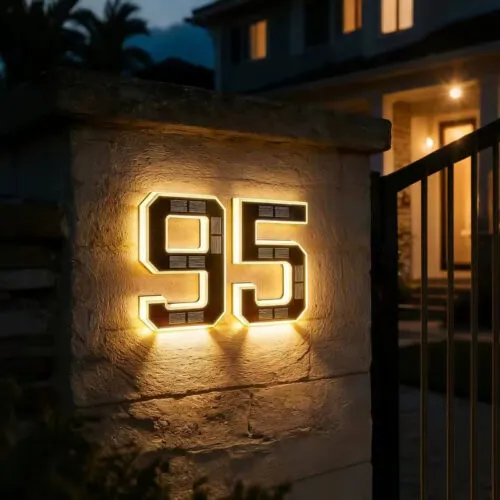
Wall-mounted solar lights may suit entrances, garages, fences, and other exterior walls. If you need motion-activated lighting, check whether the specific model includes a motion sensor and offers the required settings.
2. Check Sunlight Exposure
Solar lights rely on energy collected through their solar panels. The amount of sunlight reaching the panel affects how effectively the battery can recharge.
Before selecting a location, observe how sunlight moves across your garden throughout the day.
Sunny locations: May provide more charging opportunities.
Partly shaded locations: Can receive less direct sunlight, depending on the surroundings.
Heavily shaded locations: May be less suitable for solar products that require substantial direct sunlight.
Also consider shade from trees, fences, walls, and nearby buildings. If the panel is separate from the light, check whether its placement can be adjusted according to the product instructions.
3. Understand Brightness and Lighting Purpose
Not every outdoor light needs to produce the same amount of illumination. Decorative lighting and practical lighting have different requirements.
Decorative Lighting
String lights, flower-shaped stakes, and decorative lanterns are often selected for their appearance. Their purpose may be to create atmosphere rather than illuminate a large area.
Pathway Lighting
For walkways, consider how the light is distributed and whether the fixtures provide enough visibility along the route. Look at the product's published brightness specifications instead of relying only on photographs.
Motion-Sensor Lighting
Motion-sensor models may be appropriate for entrances and other areas where light is needed when movement occurs. Check the detection range, operating modes, and adjustment options listed for the exact model.
When comparing products, use the manufacturer's specifications to understand the intended application.
4. Compare Battery and Operating-Time Information
A solar light typically collects energy during daylight and uses stored energy to operate after dark. Its performance depends on factors such as sunlight exposure, battery condition, operating mode, and the design of the product.
Before purchasing, check:
The stated operating time after charging.
Whether battery information is provided.
Whether the battery can be replaced.
The recommended charging conditions.
Any care or maintenance instructions.
A published operating-time estimate is not a guarantee of the same performance every night. Cloudy weather, shading, and frequent activation can affect how long a light remains illuminated.
5. Choose a Suitable Installation Method
Solar garden lights use different mounting methods, so consider the surface where each fixture will be installed.
Ground Stakes
Stake-mounted lights can be suitable for lawns, garden beds, and some pathway edges. Check the recommended installation surface and the space needed to secure each fixture.
Wall Mounting
Wall lights may require brackets, screws, or other mounting hardware. Read the installation instructions and confirm that the proposed location is suitable.
Portable and Decorative Designs
Some decorative lights can be repositioned more easily than permanently mounted fixtures. Even so, follow the manufacturer's guidance about outdoor use and weather exposure.
Before installing any light, check that the selected position provides suitable sunlight and does not create an obstruction on a walkway.
6. Look at Weather Resistance and Materials
Outdoor lights may be exposed to rain, dust, heat, cold, and changing weather conditions. Check the product description for its stated weather-resistance rating and any temperature or installation limitations.
If a product lists an IP rating, use the manufacturer's explanation to understand what that rating means for protection against dust and water. Do not assume that every solar light is suitable for every weather condition.
Also consider the construction materials, mounting components, and care instructions. These details can help you decide whether a model suits the environment where you intend to install it.
7. Select a Style That Fits Your Garden
Solar lights are both functional products and decorative features. Consider how their shape, finish, and light colour will work with the surrounding space.
Minimal designs: May suit contemporary gardens and simple pathways.
Lantern-style lights: Can complement traditional outdoor settings.
Colour-changing lights: May be appropriate for decorative displays.
Warm-toned lighting: Can create a softer atmosphere in seating areas.
Spotlights: Can draw attention to particular garden features.
Think about the overall arrangement before buying multiple fixtures. A consistent lighting style can make an outdoor area feel more coordinated.
8. Compare Total Cost and Long-Term Practicality
The purchase price is only one part of choosing solar garden lights. Consider the number of fixtures required, the area they need to cover, installation requirements, and any replacement or maintenance needs.
A cheaper decorative light may be sufficient for a small garden feature, while a pathway or entrance may require a different type of fixture. Compare products designed for the same purpose rather than comparing prices alone.
Heoxo is one store offering solar pathway lights, decorative garden lights, wall lights, and solar spotlights. If you are comparing its products, review the specifications of each model carefully. You can also check the Heoxo Discount Code page for advertised promotions before purchasing.
9. Avoid Common Solar Garden Lighting Mistakes
Several common mistakes can make outdoor lighting less useful than expected.
Installing lights in heavy shade: Limited sunlight can affect charging.
Choosing decorative lights for every purpose: Ambient lighting may not provide enough illumination for a walkway.
Ignoring brightness specifications: Product photographs do not reliably show actual light output.
Overlooking installation requirements: A mounting method may not suit the intended surface.
Assuming every model is waterproof: Check the exact weather-resistance information.
Forgetting maintenance: Keep solar panels clear according to the manufacturer's instructions.
Buying too many lights initially: Consider testing the layout and spacing before expanding the installation.
10. Use a Buying Checklist
Before placing an order, ask yourself:
What area do I need to illuminate?
Does the location receive sufficient sunlight?
Do I need decorative, pathway, or motion-activated lighting?
Are the brightness and operating-time specifications suitable?
Can the light be installed on the intended surface?
Is its weather-resistance rating appropriate?
Have I compared the total cost and maintenance requirements?
These questions can help narrow your options and reduce the risk of choosing a light that does not suit your garden.
Conclusion
Choosing solar garden lights begins with understanding your outdoor space and the purpose of the lighting. Sunlight exposure, brightness, battery performance, installation requirements, and weather resistance all influence whether a product is suitable.
Compare models based on their intended use and published specifications, and plan the placement before buying multiple fixtures. With careful selection, solar lighting can provide a practical way to illuminate pathways and add decorative light to a garden.