
How to Choose Chinese Tea: A Beginner’s Buying Guide
Choosing Chinese tea is easier when you understand the main tea types, flavor preferences, and brewing requirements. This guide explains how to compare black, green, oolong, white, and pu-erh tea so you can select a variety that suits your taste and daily routine.
Chinese tea offers a wide range of flavors, aromas, and brewing traditions. Some varieties are full-bodied and robust, while others are light, delicate, earthy, or floral. If you are new to tea, the number of choices can make it difficult to know where to start.
The best approach is to consider your flavor preferences, how you plan to brew your tea, and how much time you want to spend preparing it. Understanding the main tea categories can help you narrow down your options before buying.
1. Understand the Main Types of Chinese Tea
Before comparing products, learn the basic differences between the main tea categories. The exact flavor of a tea depends on the variety, processing method, growing conditions, and preparation.
Black Tea
Black tea generally has a stronger, fuller flavor than many lighter tea styles. Depending on the variety, you may notice malty, sweet, fruity, honey-like, or roasted notes.
Consider black tea if you prefer a more pronounced cup or usually drink tea with breakfast. If you enjoy experimenting, compare different varieties rather than assuming all black teas taste alike.
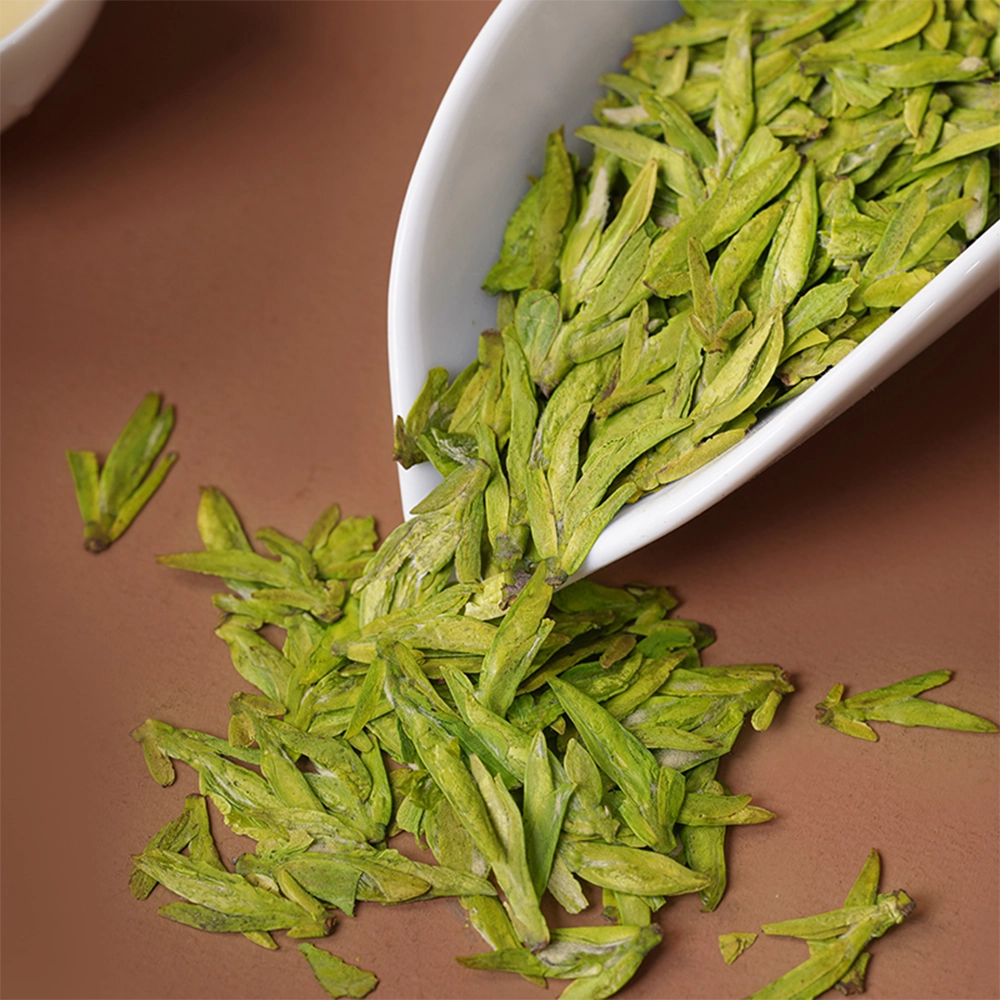
Green Tea
Green tea can have fresh, vegetal, grassy, nutty, or slightly sweet notes. Its flavor varies considerably according to the leaves and processing method.
When choosing green tea, consider whether you prefer a delicate taste or a more pronounced vegetal character. Water that is too hot or steeping for too long can make some green teas taste overly bitter.
Oolong Tea
Oolong tea covers a broad range of flavor profiles. Depending on the style, it may taste floral, creamy, fruity, toasted, or roasted.
It can be a useful category to explore if you want something between the lighter character of some green teas and the richer profile of some black teas. Check the product description for the specific style rather than relying on the category name alone.
White Tea
White tea is often associated with delicate, subtle flavors. Depending on its variety and processing, it may have light floral, sweet, or gentle fruity notes.
If you prefer a less forceful flavor, white tea may be worth exploring. Pay attention to the seller’s brewing recommendations because different teas can require different preparation methods.
Pu-erh Tea
Pu-erh is a distinctive Chinese tea category often associated with earthy, woody, or deep flavors. Different pu-erh products can vary significantly in style, age, and processing.
Read the product description carefully and start with a small quantity if you are unfamiliar with its taste. This lets you discover whether the flavor suits your preferences before committing to a larger purchase.
2. Choose Tea Based on Your Flavor Preferences
Think about the drinks you already enjoy. Your preferences can help guide your first selection.
Prefer strong flavors? Explore fuller-bodied black teas or more robust tea styles.
Enjoy fresh, grassy notes? Consider green tea.
Like floral or aromatic drinks? Compare floral oolongs and suitable white teas.
Prefer roasted flavors? Look for oolong varieties described as roasted or toasted.
Enjoy earthy tastes? Explore pu-erh and read the specific product notes.
These are starting points rather than strict rules. Two teas in the same category can taste very different, so use descriptions as a guide and remain open to trying something new.
3. Check the Product Details Before Buying
A product name alone does not tell you everything about a tea. Read the listing before deciding.
Tea Type and Origin
Confirm the tea category and any stated origin details. If you want a specific style, make sure the product description actually identifies it.
Leaf Form and Quantity
Check the amount supplied and whether the tea is loose-leaf or sold in another format. Compare the quantity with your expected use to understand how long the purchase may last.
Flavor Notes
Look for descriptions of aroma, taste, and finish. These can help you compare products, although flavor is subjective and your experience may differ from the description.
Preparation Instructions
Review the recommended water temperature, steeping time, and quantity of tea if provided. Clear instructions are particularly helpful when you are learning to prepare an unfamiliar variety.
4. Match the Tea to Your Brewing Routine
The right tea should fit the way you like to prepare and drink it.
If you want a straightforward daily routine, choose a variety with clear preparation instructions and a process you can repeat easily. If you enjoy experimenting, you may prefer to explore different leaf quantities, water temperatures, steeping times, or traditional brewing methods.
Consider these practical questions:
Do you usually make one cup or several small servings?
Do you have a suitable teapot or infuser?
Do you want to prepare tea quickly, or do you enjoy a slower brewing ritual?
Will you drink it plain, or do you usually add milk or other ingredients?
Answering these questions can help you choose a tea that fits your habits instead of buying a variety that looks appealing but is inconvenient to prepare.
5. Choose Suitable Teaware
Teaware can influence how convenient and enjoyable your brewing routine feels. You do not need a large collection to begin.
Teapots
Choose a teapot that suits the quantity of tea you normally prepare. Check its capacity, material, cleaning requirements, and whether it works with your preferred brewing method.
Tea Cups
Consider cup size, shape, material, and comfort. If you enjoy serving tea to guests, you may prefer a coordinated set.
Tea Sets and Accessories
A tea set can bring together several serving pieces, while individual accessories may be enough if you already own suitable equipment. Check exactly which items are included before purchasing a set.
Traditional Chinese tea preparation can involve specialized teaware, but beginners do not need to buy every accessory at once. Start with the essentials for the style of tea you plan to make.
6. Understand Price and Value
A higher price does not automatically mean a tea will suit your taste better. Compare products based on the amount provided, tea type, listed origin, flavor description, preparation needs, and your own preferences.
If you are trying a new category, buying a smaller quantity can be a practical way to discover whether you enjoy it. Once you know which styles you like, you can compare larger packages or different varieties with more confidence.
For teaware, consider durability, size, ease of cleaning, and how often you expect to use it. Decorative appeal matters, but practical details should also influence your decision.
7. Store Tea Properly After Opening
Tea can lose aroma and quality when exposed to unsuitable storage conditions. Keep it in a clean, dry, airtight container and protect it from direct sunlight, strong odors, heat, and moisture.
Avoid storing tea next to strongly scented spices or other products whose aromas could affect it. Follow any storage instructions supplied with the product, especially when buying a specialized tea.
Check the tea before brewing if you notice unexpected moisture, unusual odors, or signs of damage. Proper storage helps preserve the qualities you originally chose the tea for.
8. Common Mistakes to Avoid
Choosing Only by Packaging
Attractive packaging does not tell you whether the tea matches your taste. Read the tea type, quantity, and flavor description before buying.
Assuming Every Tea Uses the Same Brewing Method
Different varieties can require different water temperatures and steeping times. Follow the instructions provided for the specific tea instead of using one method for everything.
Buying Too Much Before Discovering Your Preferences
If you are new to Chinese tea, begin with a manageable amount. This gives you a chance to explore without committing to a large supply of a flavor you may not enjoy.
Overlooking Teaware Dimensions
Check the capacity and dimensions of teapots, cups, and sets. Product photographs may not give you a reliable sense of scale.
Ignoring the Full Cost of an Order
Compare the product price with shipping and any applicable import charges before placing an order. If you are shopping at YAYITEA, review the current delivery terms and any available promotion before completing checkout.
9. A Simple Checklist for Choosing Chinese Tea
Before making your purchase, use this checklist:
- Select a tea category that matches your flavor preferences.
- Read the specific product description.
- Confirm the quantity and format.
- Check preparation and storage instructions.
- Compare similar products by price and practical value.
- Choose teaware that suits your brewing routine.
- Review delivery costs and any applicable taxes.
- Check the seller’s current terms before placing your order.
If you have chosen to shop at YAYITEA, you can check the YAYITEA Discount Code page for current savings information. Treat a YAYITEA Coupon Code or YAYITEA Promo Code as applicable only when its terms are confirmed and the checkout total reflects the offer.
Conclusion
Choosing Chinese tea becomes easier when you focus on flavor, preparation, quantity, and practical use. Start with a category that sounds appealing, compare individual product descriptions, and explore different varieties as your preferences develop.
You do not need an elaborate tea setup to begin. A suitable tea, the right brewing method, and a few practical accessories are enough to start exploring the variety of Chinese tea.