
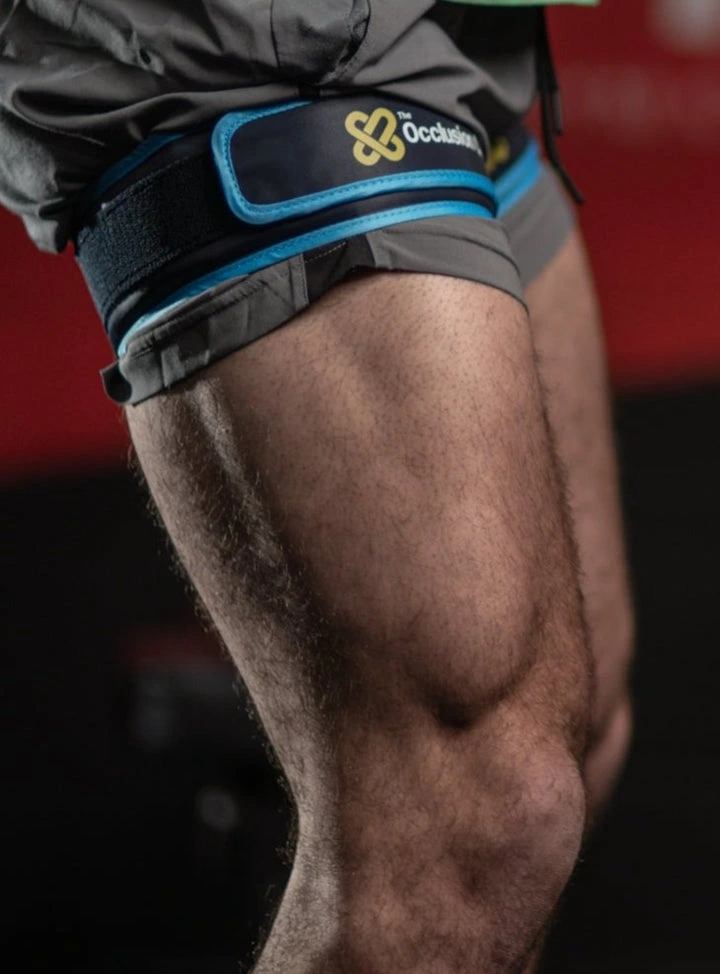
how to choose blood flow restriction cuffs
Blood flow restriction cuffs are specialised equipment used in some strength-training and rehabilitation programs. This guide explains what to check before buying, including intended use, fit, instructions, accessories, and safety considerations.
Choosing blood flow restriction (BFR) cuffs requires more care than choosing ordinary resistance bands. These devices are used to apply pressure around a limb during specific exercise protocols, so fit, pressure control, instructions, and suitability all matter.
Before buying, clarify the purpose of the equipment and seek qualified guidance on whether BFR is appropriate for your circumstances. A product's price or marketing claims should not replace careful consideration of its intended use.
Understand the Intended Use
Start by identifying why you are considering BFR equipment. Some people encounter BFR in supervised strength-training programs, while others learn about it through rehabilitation or sports-performance settings. The appropriate equipment and protocol may differ according to the setting and the person's needs.
If the equipment is intended for a clinic or professional environment, consider whether the product documentation supports that use. If it is for personal training, make sure you understand the manufacturer's instructions and have appropriate guidance before use.
Choose the Appropriate Limb Application
Product listings may distinguish between arm and leg cuffs. Do not assume that every cuff fits every limb or that different models are interchangeable.
Check the manufacturer's fitting information, sizing instructions, and intended application. A secure fit matters, but tightness should never be judged by comfort alone or adjusted without following appropriate instructions.
Review Pressure Control and Measurement
Pressure is a key consideration in BFR training. Different people and limbs may require different approaches, so a fixed pressure chosen without assessment is not an appropriate substitute for individualised guidance.
Before purchasing, check how the equipment is inflated, adjusted, and released. If the product is used in a clinical or supervised setting, ask the responsible professional how pressure is assessed and monitored. Do not improvise a pressure setting based solely on a product description or online workout advice.
Check the Instructions and Training Guidance
Clear instructions are important for understanding application, adjustment, release, cleaning, storage, and maintenance. Review the product documentation before purchasing, especially if you are unfamiliar with BFR equipment.
Do not rely on a short product listing as a complete training protocol. Ask a qualified healthcare or exercise professional to explain the appropriate process, including when to stop and what symptoms require immediate removal of the cuff.
Compare Accessories and Package Contents
Some products are sold individually, while others are included in a bundle. Depending on the model, the listing may refer to a cuff, pump-and-gauge unit, resistance accessory, or additional measurement equipment.
Read the included-items section carefully. A bundle may be convenient if it contains the components required for your intended use, but it is not automatically better value if some items are unnecessary or unsuitable.
Consider the Intended Environment
Equipment used at home may have different practical requirements from equipment used in a clinic or training facility. Think about who will use the equipment, how often it will be used, where it will be stored, and who will provide instruction.
For professional use, check whether the documentation and support offered by the seller meet the needs of the organisation. For personal use, prioritise clear instructions and appropriate professional guidance rather than choosing a product simply because it is advertised for home training.
Compare Total Cost, Not Just the Discount
When comparing products, look at the full price and the equipment included. A reduced price can be useful, but only if the product matches the intended application and includes the necessary components.
Check delivery charges, possible taxes, warranty conditions, and return rules before deciding which option offers the best overall value. If comparing products from different sellers, make sure the quoted prices refer to comparable equipment.
For readers considering equipment from this brand, the Occlusion Cuff Discount Code page can help you check listed offers and product markdowns. Confirm any promotion on the store's website before relying on it.
Understand the Safety Considerations
BFR training is not suitable for everyone and can carry risks if applied incorrectly. People with relevant medical conditions, a history of circulation problems or blood clots, or those recovering from surgery should seek medical advice before considering BFR. This is not a complete screening list.
Do not use a cuff more tightly or for longer than the instructions and qualified guidance allow. Stop if you experience unusual pain, numbness, tingling, marked discoloration, or other concerning symptoms, and seek appropriate medical advice. If symptoms are severe or sudden, obtain urgent medical care.
Avoid Common Buying Mistakes
Common mistakes include buying based only on a sale price, overlooking fitting requirements, assuming a cuff is suitable for both arms and legs, and treating a pump or gauge as a substitute for individualised assessment.
Another mistake is assuming that BFR equipment automatically produces better results than conventional training. Outcomes depend on many factors, including the training program, the individual, and how the equipment is used.
Use a Practical Pre-Purchase Checklist
Before placing an order, check:
The intended use and limb application.
Fitting and sizing instructions.
How pressure is adjusted and released.
Whether a pump, gauge, or other accessory is included.
The manufacturer's instructions and support resources.
Warranty and return conditions.
Total cost, including shipping and taxes.
Whether a qualified professional has advised that BFR is appropriate for you.
Conclusion
Choosing BFR cuffs is about more than comparing models or finding a discount. Intended use, fit, pressure control, instructions, and safety considerations should guide the decision.
Review the documentation carefully and seek qualified advice before starting BFR training. Once you know which type of equipment is suitable, compare package contents, total cost, and seller policies to make a more informed purchase.