
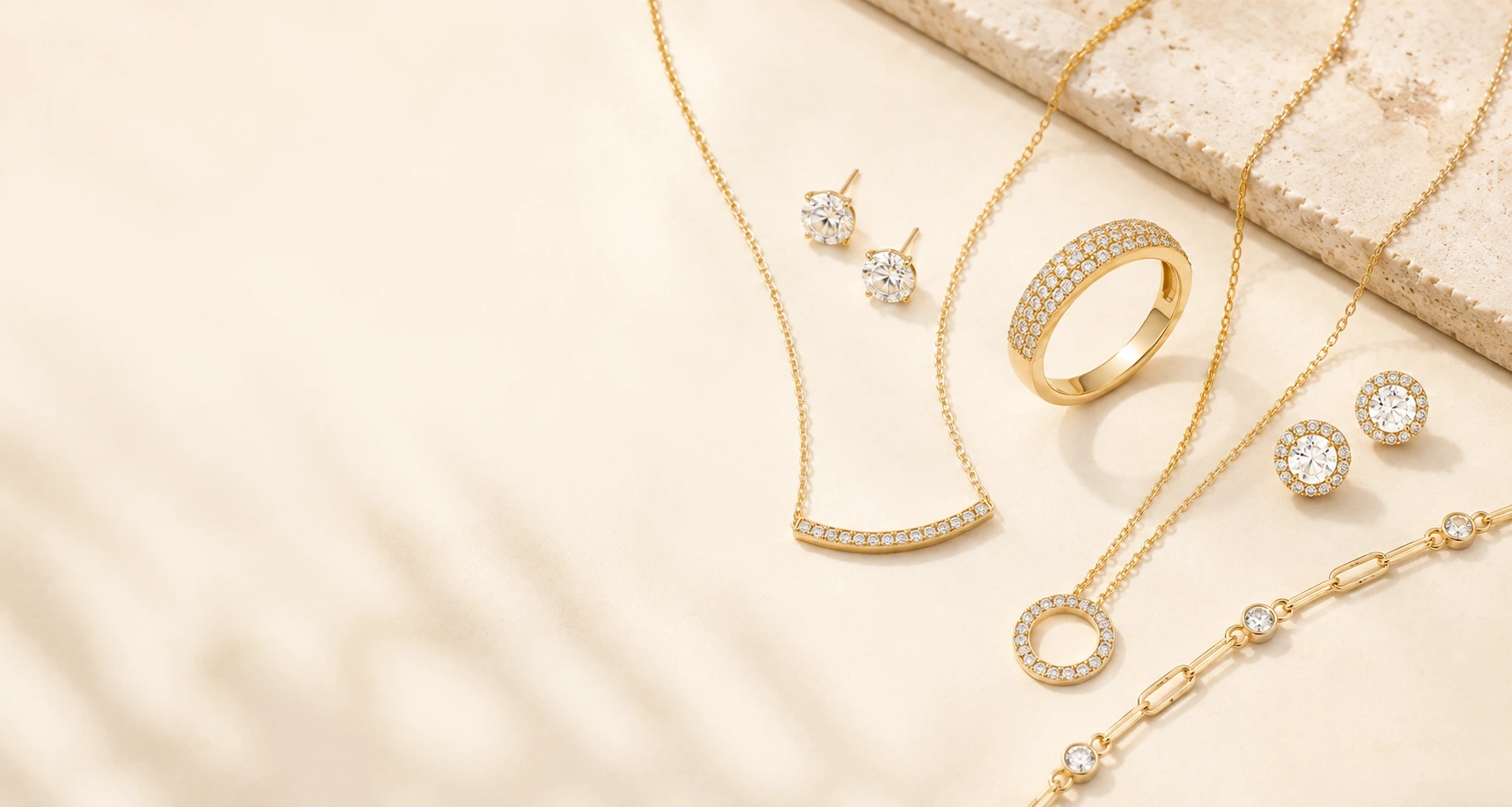
How to Choose Everyday Jewelry: A Practical Buying Guide
Choosing jewelry for everyday wear involves more than finding an attractive design. Learn how to compare materials, fit, comfort, durability, care requirements, and versatility before buying rings, necklaces, bracelets, or earrings online.
How to Choose Everyday Jewelry: A Practical Buying Guide
Everyday jewelry should fit your personal style, feel comfortable, and suit the activities you normally do. A piece that looks attractive in a product photograph may not be the best choice if it catches on clothing, feels heavy, or requires more maintenance than you prefer.
When learning how to choose everyday jewelry, consider the design, materials, fit, intended use, and care requirements together. These factors can help you narrow your options and make a more informed purchase.
1. Decide How You Plan to Wear Your Jewelry
Start by thinking about when and where you will wear each piece. Jewelry intended for work, casual outings, travel, or special occasions may have different practical requirements.
Jewelry for Daily Routines
For regular wear, consider simple designs that work with several outfits. Small studs, understated hoops, classic rings, and uncomplicated necklaces may be easier to incorporate into an everyday wardrobe.
Jewelry for Different Occasions
If you want one piece to work for both casual and dressier settings, look for a design that complements different clothing styles. More decorative earrings or statement necklaces can also be useful when you want an accessory to stand out.
The goal is not to follow a fixed rule about what everyday jewelry should look like. Choose pieces that suit your routine and personal preferences.
2. Check the Materials Before Buying
Materials influence a piece's appearance, care needs, and suitability for different wearers. Read the product description rather than relying on the product photograph alone.
Understand Common Jewelry Materials
Stainless steel: Often selected for its practical properties and modern appearance. Confirm the exact grade or composition if it matters to you.
Gold-plated jewelry: Has a surface layer of gold over another material. The underlying metal and plating details can affect care requirements and long-term appearance.
Pearls and pearl-style decorations: Check whether a listing describes natural pearls, cultured pearls, or imitation materials.
Crystals and decorative stones: Review the product description to understand what type of stone or embellishment is used.
These material categories are not interchangeable. If you have a known metal sensitivity, look for specific composition information and seek clarification from the seller if it is missing.
3. Look Beyond Waterproof Claims
Waterproof jewelry can appeal to people who prefer not to remove their accessories frequently. However, the word waterproof should not replace a careful review of the product details and care instructions.
Before buying, consider the following:
Does the seller explain the materials and finish?
Are there specific instructions for swimming, showering, or exposure to chemicals?
Does the product have a stated warranty or color-retention promise?
Are the terms and exclusions clearly explained?
Even when a product is marketed for water exposure, soaps, cleaning products, chlorine, salt water, friction, and other environmental factors may affect jewelry differently depending on its construction.
For example, YUBAMA markets a range of waterproof jewelry and publishes information about its product promises. Buyers should consult the relevant item descriptions and terms rather than assuming every piece has identical performance characteristics.
4. Choose the Right Fit and Size
Comfort is particularly important for jewelry worn throughout the day. A piece that is too tight, heavy, or awkwardly positioned may become inconvenient during ordinary activities.
For Rings
Use a reliable sizing guide and consider the width and shape of the band. If you are between sizes, consult the seller's guidance rather than assuming all ring designs fit the same way.
For Earrings
Consider the weight, fastening style, and position on the ear. If you prefer lightweight accessories, check the product specifications whenever weight is provided.
For Necklaces
Review the stated chain length and pendant dimensions. Think about where the necklace will sit and whether you want it to work alone or with other chains.
For Bracelets
Check the listed length, closure type, and any adjustment options. A comfortable fit should allow movement without making the piece too loose for your preference.
Product images can help you assess appearance, but measurements are usually more useful when evaluating fit.
5. Match Jewelry to Your Wardrobe
Versatility can make a piece more useful over time. Consider the colors, necklines, clothing styles, and other accessories you already wear.
Choose simple metal finishes if you want jewelry that coordinates with many outfits.
Consider pearl-inspired or crystal details if you prefer a decorative look.
Look at hoops or studs based on your preferred earring style.
Choose necklaces according to the necklines and layers you commonly wear.
Compare coordinated sets with individual pieces if you want accessories that work together.
You do not need to buy a matching set to create a coordinated appearance. A few pieces that complement each other can provide more flexibility than accessories that work with only one outfit.
6. Compare Price With the Information Provided
A low listed price does not automatically mean a product offers better value. Similarly, a higher price does not prove that a piece is more durable or better made.
Before purchasing, compare:
Materials and finish.
Dimensions and sizing.
Construction details provided by the seller.
Care instructions.
Warranty or product-promise terms.
Delivery charges and return conditions.
When comparing products across different stores, make sure you are comparing similar materials and designs. This provides a more useful basis for judging whether the price suits your budget.
7. Read Shipping and Return Terms
Shipping and return conditions can affect the overall cost and convenience of buying jewelry online.
Check the estimated delivery window, shipping charges, and any minimum purchase required for free shipping. If the jewelry is intended as a gift, allow for possible delivery delays rather than relying on an estimate as a guaranteed date.
Also review the return policy before ordering. Look for the return window, item-condition requirements, return shipping arrangements, and any exceptions. These details are especially relevant if you are uncertain about sizing or buying a gift.
8. Common Mistakes to Avoid
Choosing From Photos Alone
Product images do not always communicate scale, weight, or material composition. Read the description and check dimensions before deciding.
Assuming All Pieces Have the Same Properties
Jewelry sold under one brand can include different materials, finishes, and designs. Verify the details of the individual item.
Ignoring Care Instructions
A piece may need particular cleaning or storage practices. Follow the seller's guidance to help maintain its appearance.
Overlooking the Final Cost
Shipping fees, taxes, and eligibility conditions can change the amount you pay. Review the complete order total before placing an order.
Buying Without Checking the Return Policy
If the fit or appearance is not what you expected, the available return options may matter. Understand the conditions before committing to a purchase.
9. Make a More Informed Jewelry Purchase
The most suitable everyday jewelry is the jewelry that meets your practical needs and matches your style. Material details, comfort, sizing, maintenance, and total cost are all worth considering before placing an order.
Once you have chosen a product, review the seller's current terms and available promotions. If you decide to shop at YUBAMA, you can check the CouponDone YUBAMA Discount Code page for listed savings opportunities before completing your purchase. Treat advertised offers according to their actual terms and confirm eligibility at checkout.
Taking a few minutes to compare the details can help you select jewelry that fits your wardrobe, budget, and everyday routine.